
What Is the Easiest Composite Decking to Install?
What Is the Easiest Composite Decking to Install?
Composite decking can look simple until an installer meets an uneven substrate, poor drainage, missing clips, or an awkward border. Those problems can turn a straightforward project into costly rework. I find that the best solution is to evaluate the complete decking system against the site, layout, accessories, and installer’s experience.
The easiest composite decking to install is a complete board-and-accessory system matched to the project’s substrate, drainage, layout, cutting needs, and installer experience. Hollow or solid construction and hidden or face fastening can affect handling, but no single design is universally easiest. Clear instructions and compatible components usually matter more than one board feature.
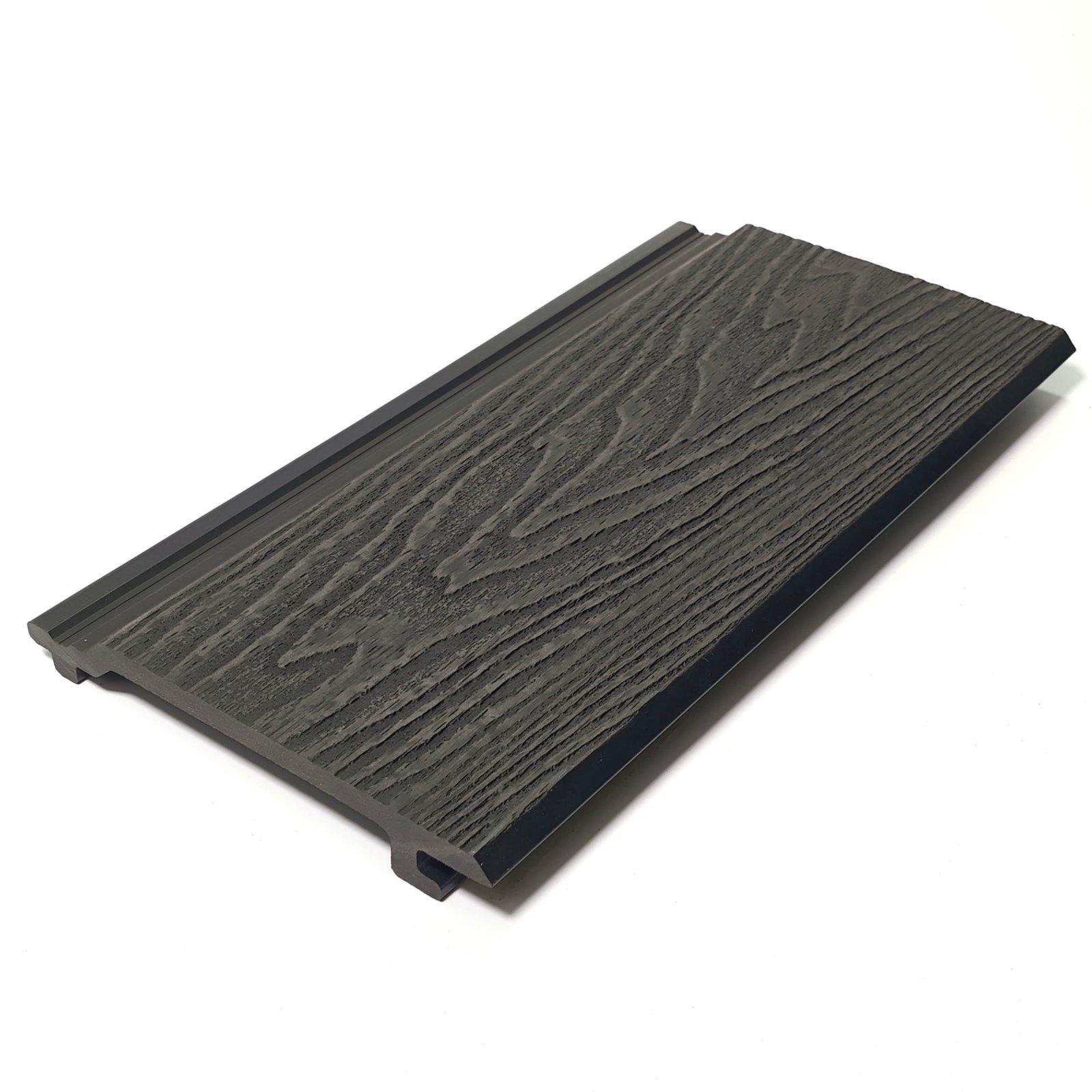
When dealers ask me which board installs most easily, I do not begin with hollow versus solid. I first ask about the supporting surface, project shape, drainage, finishing details, and installation crew. Those answers reveal where the real difficulty is likely to appear.
What Makes Composite Decking Easy to Install?
A board can have a simple profile but still cause problems when its clips, joists, edge pieces, or instructions are incomplete. That gap creates uncertainty and increases the risk of incorrect installation. I therefore assess ease of installation at the system level rather than judging the deck board alone.
Composite decking is easier to install when the boards, support system, fasteners, starter clips, finishing parts, and installation instructions work together. The most practical system also suits the substrate and layout, requires manageable cutting, and uses fastening methods that the installer understands. Buyers should verify every component before ordering.
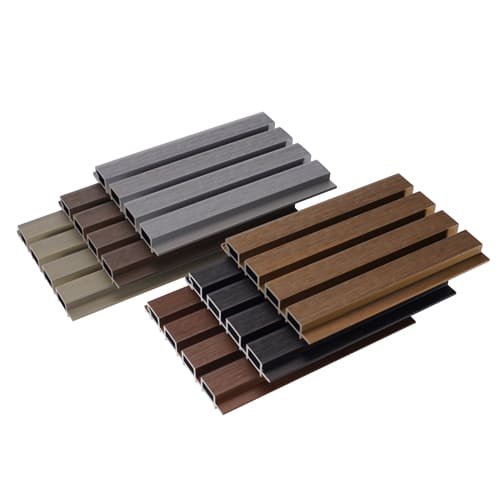
I evaluate the complete system
In manufacturer-side discussions, I often receive a short question such as, “Which decking is easiest?” I usually answer with more questions:
- What is the substrate?
- Will the deck use WPC, aluminium, timber, or another type of joist?
- Is the project at ground level, on a balcony, or on an elevated structure?
- How will water drain away?
- Does the layout include stairs, borders, curves, corners, or diagonal boards?
- How will exposed board ends be finished?
- Has the installation crew used hidden clips before?
- Does the buyer need every accessory from one supplier?
These questions are not a substitute for structural or installation advice. They are a procurement screening process. They help me identify whether a proposed product system is complete and appropriate enough to move into technical review.
A composite decking system may include more parts than a buyer initially expects:
- Deck boards in the confirmed profile and length.
- Compatible joists or an approved supporting structure.
- Starter clips for the first and sometimes final board.
- Intermediate clips that create the specified spacing.
- Screws matched to the clips and supporting material.
- Fascia, corner trim, end caps, or another approved edge treatment.
- Expansion and drainage details from the model-specific instructions.
- Spare boards and accessories for reasonable site contingencies.
Missing a low-cost accessory can delay an otherwise valuable order. I have seen buyers focus heavily on board pricing while treating clips and starter pieces as secondary details. However, installers cannot substitute components safely just because they look similar.
A procurement checklist makes “easy” measurable
I suggest that dealers score each proposed system from 1 to 5 against a common checklist. A score does not prove installation performance, but it exposes unanswered questions before purchase.
| Evaluation area | Questions I would ask |
|---|---|
| System completeness | Are all required boards, clips, screws, trims, and joists identified? |
| Compatibility | Has the supplier confirmed which accessories fit the exact model? |
| Documentation | Are model-specific instructions available in a usable language? |
| Site suitability | Does the system match the substrate, drainage, and intended use? |
| Finishing | Are practical solutions provided for starts, ends, corners, and steps? |
| Crew familiarity | Has the installer used this fastening and support method before? |
| Replacement supply | Can matching boards and accessories be reordered by model and batch? |
The easiest composite decking to install is often the system with the fewest unresolved interfaces. A familiar clip, clear board orientation, confirmed joist spacing, and complete accessory list can remove more uncertainty than choosing a board solely because it is lighter or thicker.
How Do Site Conditions Affect Composite Decking Installation?
Dealers sometimes compare deck boards before anyone has checked the installation surface. An uneven or poorly drained base can create more work than the difference between two board profiles. If buyers overlook that issue, even a well-designed product can become difficult to support correctly.
Site conditions affect composite decking installation by determining the required support, levelling, drainage, ventilation, clearance, and fastening approach. A flat, stable, well-drained substrate generally simplifies the supporting system. Irregular surfaces, restricted build heights, waterproof membranes, and elevated structures require more careful project-specific assessment.
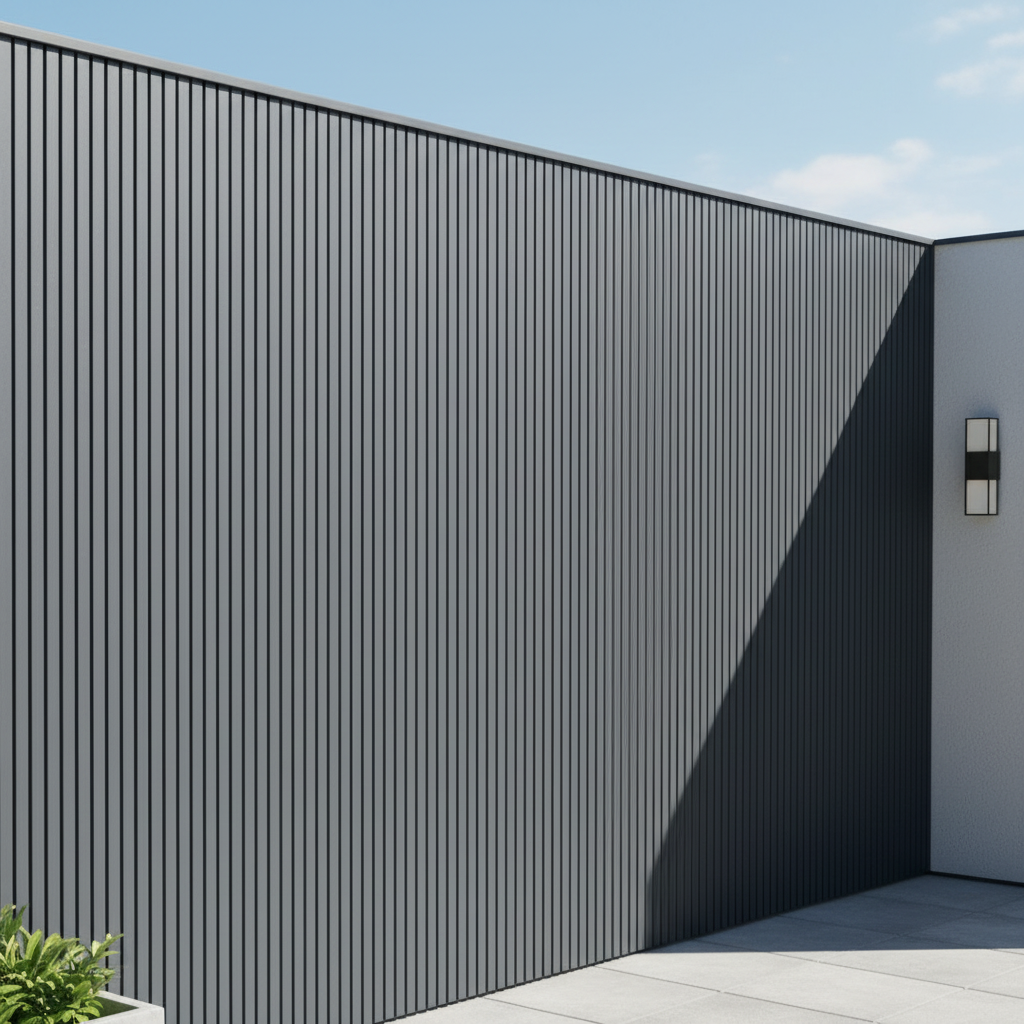
The substrate comes before the board profile
I start with the surface beneath the proposed deck because the deck board does not correct an unsuitable base. A buyer may be comparing hollow and solid boards while the larger question concerns how the substructure will be supported and levelled.
Common project conditions include:
- A level concrete base
- An existing terrace or paved area
- A rooftop or balcony with a waterproof membrane
- Compacted ground with a designed support system
- An elevated structural frame
- A renovation surface with inconsistent levels
Each condition can change the required joist arrangement, support points, fixings, drainage route, and finished height. Local requirements can also govern loading, fire performance, guardrails, waterproofing, and structural connections.1 I recommend that buyers obtain evaluation from a qualified contractor, engineer, or other appropriate professional where the application requires it.
Drainage can determine practical difficulty
Composite decking needs a project-specific plan for water movement. The exact requirements depend on the model instructions and site design. Buyers should not assume that gaps between boards will compensate for trapped water beneath the deck.
I ask several basic questions during product selection:
- Where will rainwater enter the system?
- Where will that water leave?
- Can debris block the drainage route?
- Does the support arrangement create isolated low points?
- Will the joist or pedestal system interfere with the drainage direction?
- Does the project require access to drains or waterproofing outlets?
These questions matter because poor drainage can lead to standing water, dirt accumulation, difficult maintenance, and disputes about product performance.2 The decking supplier should explain its product requirements, while the project professional should confirm the suitability of the overall site design.
Layout also affects the support system
A simple rectangular deck with parallel boards usually requires fewer special details than a project with diagonal sections, picture-frame borders, planters, access panels, or multiple level changes.3 However, I still avoid calling one layout “easy” until the support beneath every board end and transition has been planned.
For procurement, I recommend requesting a layout drawing or at least a dimensioned sketch. The buyer and supplier can then review:
- Board direction and available lengths
- Likely cutting and offcut patterns
- Joints between board ends
- Support beneath borders and transitions
- Accessory quantities
- Exposed edges and end treatments
- Areas that require removable access
This review does not replace an installation drawing from a qualified party. It does help dealers avoid quoting a board-only package for a project that actually needs additional supports, clips, trims, or custom finishing.
Is Hollow or Solid Composite Decking Easier to Install?
The hollow-versus-solid question appears simple, so it often dominates early product comparisons. That shortcut can be misleading. Weight, cutting, exposed ends, fastening zones, span requirements, and project details all matter, so selecting by internal structure alone can create new installation problems.
Neither hollow nor solid composite decking is universally easier to install. Hollow boards may offer lower handling weight in some profiles, while solid boards may provide different cutting and edge-finishing options. Buyers must compare the exact product specifications, approved support spacing, fastening method, exposed-end treatment, and application limits.
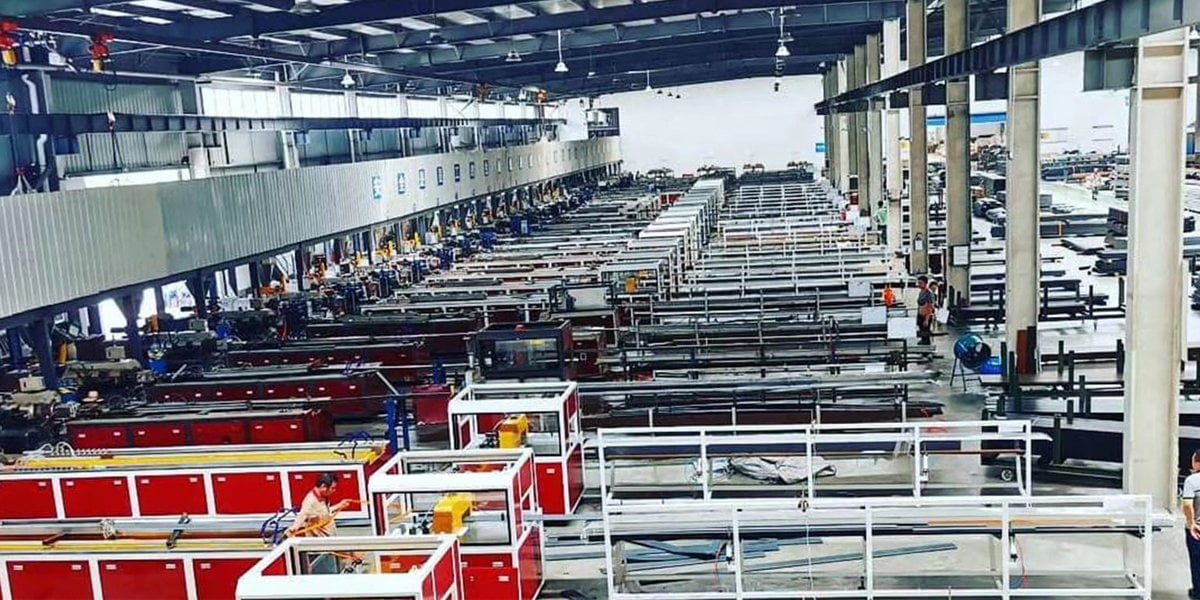
Hollow boards require profile-specific review
A hollow board can sometimes be easier for a crew to carry because a particular profile may weigh less than a comparable solid board. However, buyers should verify actual product weights rather than using hollow construction as a proxy for lightness. Board dimensions, wall thickness, formulation, cap layer, and profile geometry all affect weight.4
Hollow profiles also require careful attention to:
- Approved cutting locations and methods
- Protection or finishing of visible board ends
- Water and debris management around cavities
- Screw or clip positioning
- Support beneath joints and borders
- Compatibility with end caps or edge trims
A design with open ends may be acceptable when those ends are concealed by an approved fascia detail. The same design may be less convenient when the project includes many exposed steps or angled cuts. In that case, the installer could spend more time resolving finishing details.
Solid boards have different trade-offs
Solid composite decking can provide more material across the board section, but that does not automatically make it stronger, easier, or suitable for wider support spacing.5 Those characteristics must come from the specific technical information for the model.
A solid board may simplify some cut-edge details because it does not expose internal cavities. On the other hand, a particular solid profile may be heavier to move and cut. The practical effect depends on board length, crew size, access, tools, and site restrictions.
| Selection issue | Hollow profile | Solid profile |
|---|---|---|
| Handling | May be lighter, but actual weight must be checked | May be heavier, depending on dimensions and formulation |
| Exposed cuts | Cavities may require a planned finish | Cut edges may be simpler to conceal in some layouts |
| Fastening | Must follow approved clip or fastening zones | Must still use the model-specific fastening method |
| Support spacing | Determined by exact model and application | Determined by exact model and application |
| Complex borders | End treatment may require more planning | May offer different finishing options |
| Suitability | Depends on project conditions | Depends on project conditions |
I once discussed a project where the initial request was for a hollow board because the buyer assumed it would be easiest. After reviewing the layout, the large number of steps and visible cut ends became the more important issue. That conversation did not prove that solid decking was automatically better. It showed why the layout must test the original assumption.
Dealers should request current specifications and installation instructions for each candidate model. They should also confirm that quoted samples and mass-production boards share the agreed profile, dimensions, surface, colour, and accessory system.
Are Hidden-Fastener Composite Decking Systems the Easiest Option?
Hidden clips create a clean deck surface, which can make them appealing to dealers and end customers. However, appearance does not guarantee installation simplicity. Unfamiliar clips, inconsistent accessory supply, restricted working space, or complex board replacement requirements can make a hidden-fastener system harder to support.
Hidden-fastener composite decking can be easy to install on regular layouts when compatible clips, screws, joists, and starter components are supplied with clear instructions. It is not automatically the simplest choice for every project. Installers must also understand edge details, board movement, access constraints, and model-specific replacement procedures.
Hidden clips solve one problem but create other decisions
Hidden fastening removes most visible screws from the board surface. It can also help establish consistent spacing when the approved clips are designed for that purpose.6 Yet a dealer should not market the method as universally simple.
I recommend checking the following details:
- How is the first board fixed?
- How is the final board fixed when access is limited?
- Which clip fits the exact groove geometry?
- Which screw is approved for the selected joist material?
- Does the system require different clips at board-end joints?
- How are fascia boards and borders attached?
- Can a damaged middle board be removed without dismantling a large area?
- Are clip quantities calculated with an allowance for the actual layout?
A generic clip that enters the groove does not necessarily have the correct dimensions, holding behaviour, spacing, or material.7 Dealers should treat the board and fastener as a tested or manufacturer-specified combination where applicable. They should ask the supplier to confirm compatibility in writing.
Face fastening can be appropriate in specific details
Some systems use visible or plugged face fasteners in approved positions. This method may be useful around stairs, borders, access panels, or other special details. However, I would not recommend improvising face-fastening locations. Incorrect positioning can affect board movement, appearance, or performance.8
The easiest composite decking to install may use more than one approved fastening detail. For example, the main field could use hidden clips while perimeter areas use a specified alternative. What matters is whether those details are documented and understood before materials arrive.
Installer familiarity changes the answer
A crew that regularly uses one clip system may install it confidently. Another crew may need time to understand the board orientation, clip sequence, edge clearances, and finishing method. The product itself has not changed, but the practical installation risk has.
For B2B buyers, I suggest asking the installer to review these materials before the order:
- Current model-specific installation instructions
- Board and accessory samples
- A component list with item references
- Drawings for starts, ends, corners, and borders
- Maintenance and board-replacement guidance
- Any applicable local requirements identified by the project team
Remote guidance from a manufacturer can help explain the product system. It cannot replace site supervision, structural design, or a qualified installer’s responsibility for the project.
How Should Dealers Select Easy-to-Install Composite Decking?
Dealers can create avoidable complaints when they choose boards by price, appearance, or sample weight alone. Missing accessories and unclear application limits often appear only after delivery. A structured supplier review helps the dealer stock a system that its team can explain, quote, replenish, and support.
Dealers should select easy-to-install composite decking by comparing complete systems under realistic project conditions. The review should cover board specifications, accessory compatibility, documentation, substrate limits, layout details, packaging, replacement supply, and supplier quality controls. Samples should represent the proposed system rather than only the deck board.
Build a board-and-accessory matrix
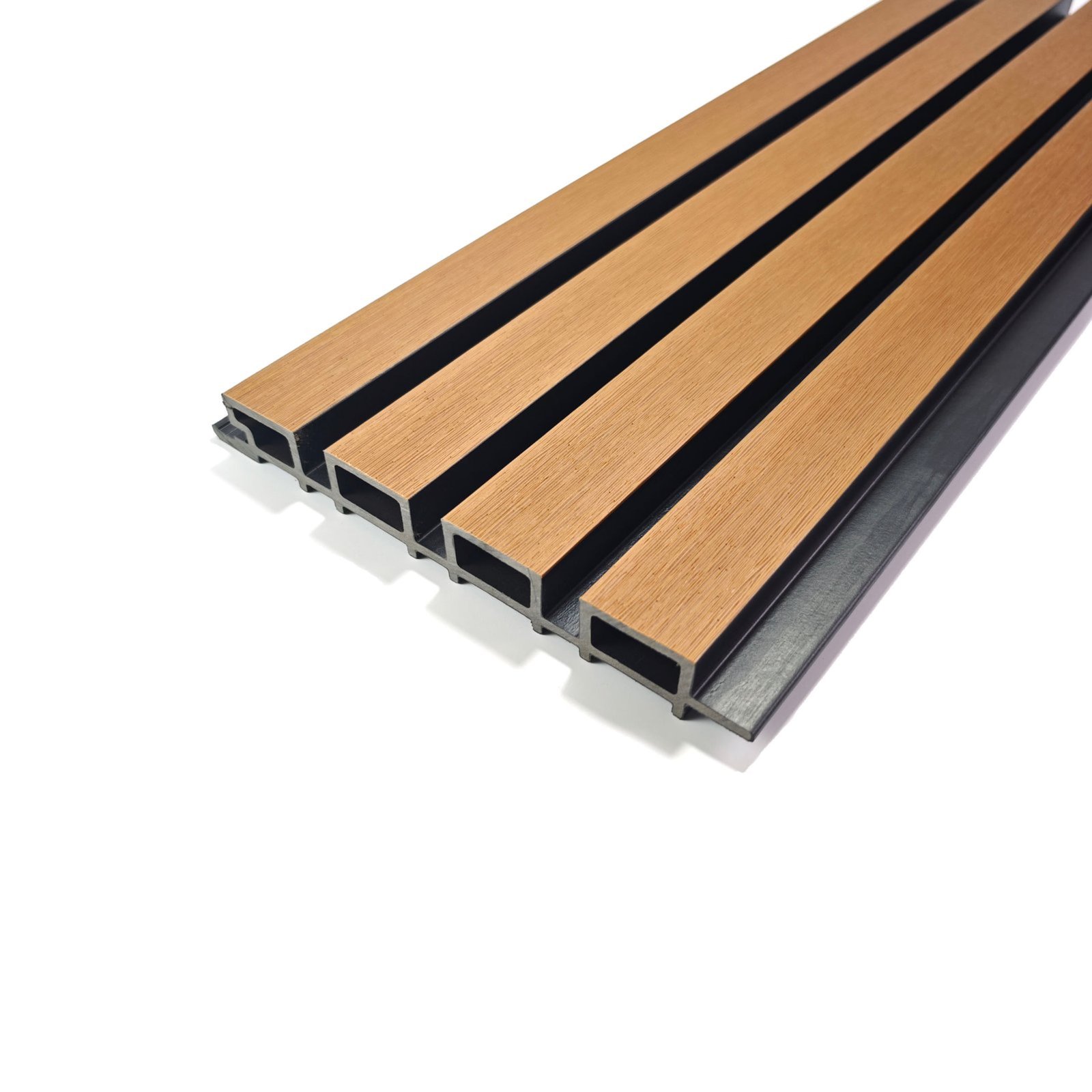
I recommend that importers create one comparison row for every model they may stock. A catalogue image is not enough. The matrix should connect the board to all parts required for a saleable installation package.
| Information to record | Why dealers need it |
|---|---|
| Board dimensions and profile | Supports quotations, storage, layout, and compatibility checks |
| Board weight | Helps with logistics and handling assessment |
| Available lengths and colours | Affects cutting plans, inventory, and replenishment |
| Surface and capping details | Helps dealers explain product differences accurately |
| Compatible joists | Prevents unsupported substitutions |
| Clip and screw references | Reduces missing or mismatched accessories |
| Starter and finishing parts | Supports complete project quotations |
| Installation instructions | Gives installers model-specific requirements |
| Packaging quantities | Helps calculate orders and landed cost |
| Batch identification | Supports replacement and claim investigation |
| Intended-use limitations | Prevents the product from being sold into unsuitable applications |
Dealers should also verify any certifications, declarations, or test reports relevant to their target market. They should check the issuing entity, validity, exact model, tested use, and geographic applicability. An ISO certificate concerns a management system, while an FSC claim applies only within its certified scope. A test report does not automatically establish universal regulatory approval.
Test the ordering process with a real project
A sample should help the buyer inspect colour, surface, profile, groove, and accessory fit. However, a short sample cannot reproduce substrate conditions, long-board movement, full support arrangements, or every installation detail.
Before placing a production order, I encourage buyers to run a desk-based trial using a real or representative project:
- Mark the substrate and intended use.
- Draw the board direction and main dimensions.
- Estimate board lengths and cutting patterns.
- Identify all starts, ends, corners, stairs, and borders.
- Add compatible joists, clips, screws, and finishing parts.
- Check packaging quantities and reasonable spare requirements.
- Ask the installer or qualified project professional to review the proposed system.
- Obtain written confirmation of final models, colours, quantities, and specifications.
For Veejoy Outdoor orders, we assess feasibility according to the product, quantity, setup, materials, customisation, cost, and schedule. We do not treat a fixed container quantity as a universal minimum. Existing models, colours, and neutral packaging can be practical starting points for suitable B2B orders, while larger projects may justify additional customisation.
Review manufacturing and replenishment controls
Ease of installation also depends on receiving what was approved. Dealers should ask how the supplier controls dimensions, colour, profile, surface, and accessory compatibility from sample to bulk production.
I would include these points in a supplier review:
- Written production specifications
- Approved samples where applicable
- In-process and final inspection criteria
- Board and accessory identification
- Batch and colour controls
- Packaging protection
- Treatment of nonconforming goods before shipment
- Claim evidence requirements
- Availability of matching replacement stock
- Written change-control procedures
A supplier should assess any requested change for feasibility, cost, and timing. Both parties should update the confirmed specifications in writing. That discipline is especially important when a buyer changes board length, colour, packaging, or accessories after approving the initial system.
Frequently Asked Questions
Is grooved composite decking easier to install?
Grooved composite decking can be convenient when the groove matches a confirmed hidden-clip system. However, the result depends on compatible clips, screws, joists, edge details, and instructions. Dealers should never assume that generic clips fit every grooved board correctly.
Is hollow composite decking easier to cut than solid decking?
A particular hollow board may require less material to be cut, but ease of cutting depends on the profile, wall design, tools, board dimensions, and finishing needs. Hollow cavities can also complicate visible ends. Buyers should follow the exact manufacturer’s cutting and finishing instructions.
Can composite decking be installed over an existing surface?
Some composite decking systems may be used above an existing stable surface with a properly designed support and drainage arrangement. The existing surface must still be assessed for condition, level, loading, clearances, and water movement. A qualified professional should evaluate project-specific structural and waterproofing issues.
Do composite decking clips work with every brand?
No. Groove dimensions, clip shape, spacing, screw type, and joist material can differ between systems. A clip that appears to fit may not be approved for the board. Dealers should obtain written compatibility confirmation for the exact board, clip, screw, and support combination.
What should a dealer include in a composite decking sample package?
I suggest including the board sample, compatible joist section, intermediate clip, starter clip, screws, edge or end-finishing sample, product specification, and installation instructions. The package should show the complete system that the dealer expects to order, sell, and replenish.
Conclusion
The easiest composite decking to install is not automatically hollow, solid, grooved, or hidden-fastened. I look for a complete system that matches the substrate, drainage plan, layout, cutting requirements, finishing details, and installer experience. Dealers should compare model-specific instructions, compatible accessories, quality controls, and replacement supply before committing to stock.
If you are evaluating composite decking for your distribution range, contact Veejoy Outdoor with your project dimensions, substrate, intended market, preferred models, quantities, and installation system. We can review suitable B2B product and accessory options for further professional project evaluation.
"Decks - Construction and Inspections | seattle.gov", https://www.seattle.gov/construction-and-inspections/permits/common-projects/decks. Building codes regulate multiple aspects of exterior decks and balconies, including structural loads, guards, connections, and, in specified applications, fire or weather-protection requirements; the exact provisions depend on the adopted code and local amendments. Evidence role: general_support; source type: government. Supports: An applicable building code should document regulatory provisions for exterior decks and balconies, including structural loading, guards, connections, fire-related conditions, or weather protection.. Scope note: Code requirements vary by jurisdiction, building type, height, occupancy, and project configuration. ↩
"Moisture in basements: causes and solutions | UMN Extension", https://extension.umn.edu/garden-and-home/home-maintenance/caring-for-a-home/moisture-in-basements-causes-and-solutions. Building-science guidance explains that inadequate slopes, obstructed outlets, and isolated low points can retain water and debris in exterior assemblies, increasing moisture exposure and maintenance demands; it does not establish that every such condition results in a product dispute. Evidence role: mechanism; source type: research. Supports: Building-science evidence should explain how insufficient slope, blocked drainage paths, or low points allow water and debris to remain within exterior assemblies.. Scope note: The drainage and maintenance effects are supportable, whereas the reference to disputes is a possible commercial consequence rather than a directly established physical outcome. ↩
"AWC WCD1 ConventionalWoodFrame ViewOnly - Academia.edu", https://www.academia.edu/29638216/AWC_WCD1_ConventionalWoodFrame_ViewOnly. Deck-construction guidance shows that diagonal board patterns, perimeter borders, openings, and transitions may require additional framing or blocking beyond that used for a simple parallel layout; the guidance does not provide a universal measure of installation difficulty. Evidence role: mechanism; source type: institution. Supports: A recognized deck-construction guide should show that diagonal decking, borders, openings, and transitions can require additional joists, blocking, or framing details.. Scope note: The source would establish added detailing requirements, not a fixed labor or cost increase for every project. ↩
"(PDF) Analysis on mechanical properties of wood plastic composite", https://www.academia.edu/96446732/Analysis_on_mechanical_properties_of_wood_plastic_composite. Research on wood-plastic composites shows that formulation influences material density, while the mass of an extruded board also depends on its dimensions and cross-sectional geometry, including wall thickness and cavities. Evidence role: mechanism; source type: paper. Supports: Materials research should establish that wood-plastic composite density varies with formulation and that product mass also depends on cross-sectional volume and geometry.. ↩
"[PDF] PG County - Wood Deck - Prescriptive Residential Free-Standing ...", https://www.princegeorgescountymd.gov/sites/default/files/media-document/PG%20County%20-%20Wood%20Deck%20-%20Prescriptive%20Residential%20Free-Standing%20Wood%20Deck%20Construction%20Guidelines.pdf. Structural evaluation of wood-plastic composite decking bases capacity and allowable span on tested material properties, section behavior, loading, and serviceability limits rather than on the solid or hollow designation alone. Evidence role: mechanism; source type: paper. Supports: Engineering research or a recognized evaluation standard should show that decking capacity and allowable span depend on tested flexural properties, section geometry, loading, and deflection criteria.. Scope note: General evaluation principles do not establish the capacity or permitted span of any specific board model. ↩
"KFFKFF 500PCS Hidden Deck Fasteners for Composite Decking ...", https://reframedarchives.sandbox.library.columbia.edu/listing/kffkff-500pcs-hidden-deck-fasteners-for-composite-decking-boards-universal-t-clips-plastic-fasteners-with-metal-screws-polypropylene-pp-clips-compatible-with-026-inch-gaps-black?srsltid=238472173. Technical descriptions of hidden deck fasteners document that certain clip designs incorporate spacer elements that establish a defined gap between adjacent boards; this function is specific to the evaluated fastener and board system. Evidence role: mechanism; source type: institution. Supports: An independent technical evaluation or construction reference should document that some hidden fasteners incorporate spacers that set the gap between adjoining boards.. Scope note: The evidence cannot be generalized to clips that lack an integral spacer or are used with an incompatible groove. ↩
"Span Rating of Wood-Plastic Composite Decking", https://rex.libraries.wsu.edu/esploro/outputs/graduate/Span-Rating-of-Wood-Plastic-Composite-Decking/99900898939301842. Composite-decking evaluation procedures assess fastening performance under specified combinations of board profile, fastener, supporting member, and installation method, so apparent physical fit alone does not demonstrate equivalent holding or spacing performance. Evidence role: general_support; source type: institution. Supports: A recognized evaluation standard or report should show that deck fastener performance is assessed using defined board profiles, fasteners, substrates, and installation conditions.. Scope note: The evidence establishes the need for system-specific evaluation but does not prove that every third-party clip is incompatible. ↩
"Width Of Composite Decking - Sandbox Environment", https://sandbox.dss.ucdavis.edu/width-of-composite-decking. Studies of wood-plastic composites document dimensional change with temperature and moisture exposure, providing a mechanical basis for concerns that incorrectly placed or overly restrictive fasteners can interfere with intended board movement. Evidence role: mechanism; source type: paper. Supports: Research should document temperature- and moisture-related dimensional change in wood-plastic composites and explain why restraint or edge fastening can influence stress and movement.. Scope note: Dimensional-change research supports the mechanism, but model-specific consequences depend on formulation, board geometry, climate, and fastening instructions. ↩
Veejoy Outdoor
Need support for your WPC project?
Talk with our team about composite decking, cladding, fencing, product specifications and OEM/ODM requirements.
Keep Exploring
Related Insights
What is the difference between grooved and solid edge composite decking?
Choosing between grooved and solid edge composite decking often creates confusion for building material distributors and contractors trying to finalize project specifications. Sourcing the wrong profile leads to unappealing exposed board edges, incompatible fastening hardware, and costly on-site installation delays. Understanding the operational differences between these board designs ensures clean aesthetics, structural efficiency, and complete, […]
Read article
Discussion
Comments & Questions