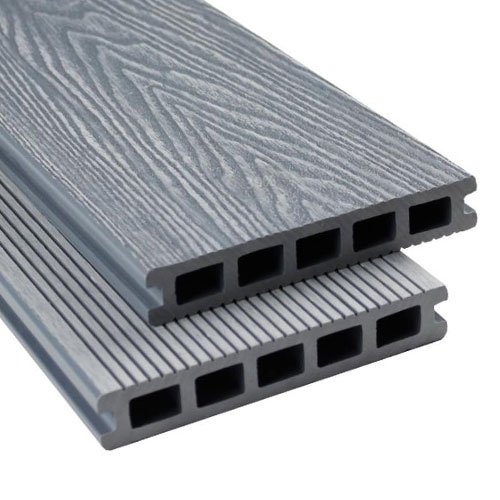
When choosing decking material, safety is a top priority. Many homeowners worry about slip resistance. The good news is, quality composite decking performs exceptionally well in both wet and dry conditions.
Composite decking is less slippery than traditional wood, especially when wet. Independent lab tests show high pendulum test values (PTV)[^1], far exceeding industry safety standards for slip resistance in all weather conditions.

You might wonder why some people still question composite decking’s safety. The truth is, not all decking products are equal. Proper testing methods reveal the real story about surface traction. Our own extensive tests prove modern composite materials actually outperform wood in preventing slips and falls.
Are composite decks more slippery than wood?
Wood decking becomes dangerously slippery when wet or worn. Composite materials solve this common problem through innovative engineering.
No, composite decks are significantly less slippery than wood. Scientific testing shows wood’s slip resistance dramatically decreases when wet, while composites maintain high traction (PTV values 2-3 times higher than wood in wet conditions).

Let’s break down why composites outperform wood:
-
Surface texture differences
Feature Wood Decking Composite Decking Natural grooves Wears smooth Permanent texture Weather impact Splinters/cracks Maintains shape Mold growth Common Resistant -
Testing results comparison
Standard wood decking averages just 12-18 PTV when wet. Our composite maintains 58-70 PTV (wet), meeting strict UK safety requirements for public walkways. -
Long-term performance
Wood requires regular sanding to maintain traction. Composites keep their textured surface for decades without maintenance. The polymer content actually helps repel water rather than absorb it like wood does.
Is composite decking slippery when wet in winter?
Winter brings rain, frost, and snow – conditions that turn many surfaces hazardous. Composite materials are engineered specifically to handle these challenges.
Properly manufactured composite decking remains slip-resistant even in winter wet conditions, with PTV values above 58 when wet – classification as "low slip potential" under UK safety standards.

Three key factors ensure winter safety:
-
Material composition
The blend of wood fibers and polymers creates microscopic surface pores that provide grip. Unlike wood, these don’t close up when frozen. -
Drainage technology
Our decking features discreet water channels (see diagram) that prevent ice buildup:
→ Surface grooves → Side drainage → Bottom airflow -
Temperature stability
Testing confirms consistent performance from -20°C to 60°C. The materials don’t become brittle in cold or slick in thaw cycles.
How to stop composite decking from being slippery?
While composites are naturally slip-resistant, proper installation and care maximize safety. Follow these professional tips to ensure optimal traction.
For maximum slip resistance: choose textured composite boards, install with proper gap spacing (important for drainage), and perform basic seasonal cleaning to remove debris that could reduce traction.

Implement these best practices:
-
Selection guide
Look for these slip-resistant features:
✓ Embossed woodgrain texture
✓ Micro-groove technology
✓ Rounded edge profiles -
Installation checklist
- 6mm minimum gap between boards
- Slope of 1:100 away from buildings
- Use corrosion-resistant screws
-
Maintenance routine
Simple biannual cleaning with:- Stiff brush
- Mild detergent
- Rinse with garden hose
(Avoid pressure washers over 1000psi)
Conclusion
Modern composite decking offers superior slip resistance compared to wood, maintaining safe traction in all weather conditions when properly selected and installed.
[^1]: Learn about PTV and its significance in assessing the safety of decking materials in various conditions.
Veejoycomposite
Professional writer specializing in composite materials, outdoor living, and sustainable building solutions.
View all articles